


As I began to put pen to paper to write this story (or more accurately, fingers to keyboard), I glanced up to see my editor spritzing her face with Charlotte Tilbury’s Magic Hydrator Mist. While far from an uncommon sight in the British Vogue office, the moment perfectly illustrated the point I was about to make. Hydrating face mists are the definition of a desk-side essential.
Featured in this article
It was 3pm and, with office air con to contend with, a hydrating mist does far more than just revive the skin; it helps to tackle the afternoon slump, somehow reviving energy levels, too. But the appeal goes beyond the office. I will always keep a mini in my plane washbag and a larger option for once I arrive at my destination. The former counteracts the skin-stressing impact of the recycled air, while the latter, brought from the beach to the pool, is cooling and satisfying while soaking up the sun’s rays.
That being said, while they offer a quick fix, they need to include specific moisture-enriching ingredients and be used as part of a wider skincare routine to maximise their hydrating properties. “Most basic mists are essentially water, so they give a quick refresh but don’t meaningfully hydrate long-term,” explains dermatological doctor Dr Nora Jaafar. “For true hydration, you need humectants like glycerin or hyaluronic acid.” These are often found in the ingredient line-up of hydrating face mists as well as in moisturisers, which the expert says should follow mist usage to lock in the moisture enrichment.
Below, the hydrating face mists that are always on hand for the Vogue team, while scroll on for the answers to our mist-related queries from experts Dr Jaafar and consultant dermatologist Dr Magnus Lynch.
- Jump to the product reviews
- Are mists useful for all skin types?
- What ingredients should I look for and avoid in a face mist?
- Is there a difference between cheap and expensive mists?
- Are milky or oil-infused mists better than water-based ones?
- Can I use a mist over makeup without clogging pores?
- Are there side effects or risks?
- Will a mist help with dehydration on flights or in air conditioning?
- Do you need a mist with SPF or blue light protection?
- Meet the experts
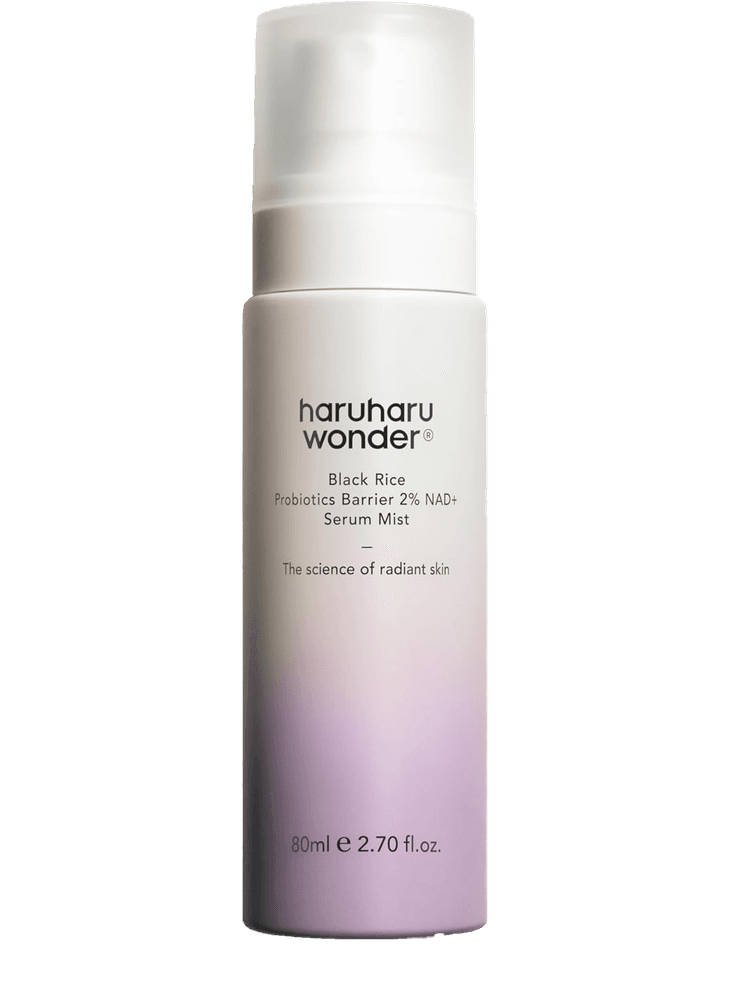
Haruharu Wonder
Black Rice Probiotics 2% NAD+ Serum Mist
Why it’s Vogue-approved: I’m addicted to spritzing the lightweight fine mist of Korean label Haruharu Wonder’s Black Rice formula, which is infused with a skin-loving complex of five types of ceramides. The beauty is that you can keep spraying without your skin feeling wet, acting as a light sprinkling of hydrating ingredients like panthenol and plant-based squalane.
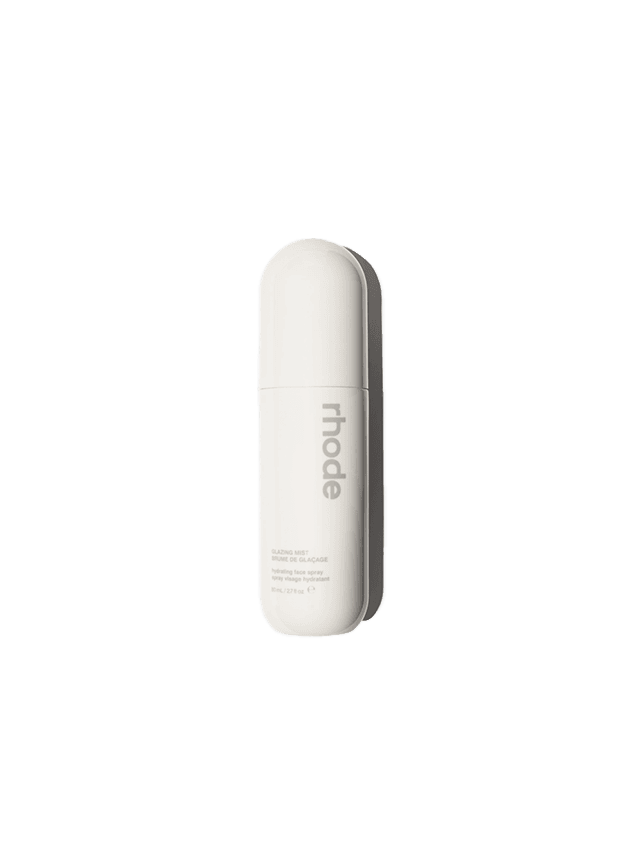
Rhode
Glazing Mist
Why it’s Vogue-approved: Known for crafting a cult product or two, Rhode left us wondering what they would cook up next. Then, the glazing mist arrived, complete with a chunky stick-on mirror case and infused with ingredients that nourish, purify and lift the skin. Consider us sold. I like to spritz the mist over my face and décolletage in place of a heavy-duty setting mist. This works wonders when the only make-up I want to wear consists of blush and skin tint. What’s more, the results are long-lasting, so a little really does go a long way.
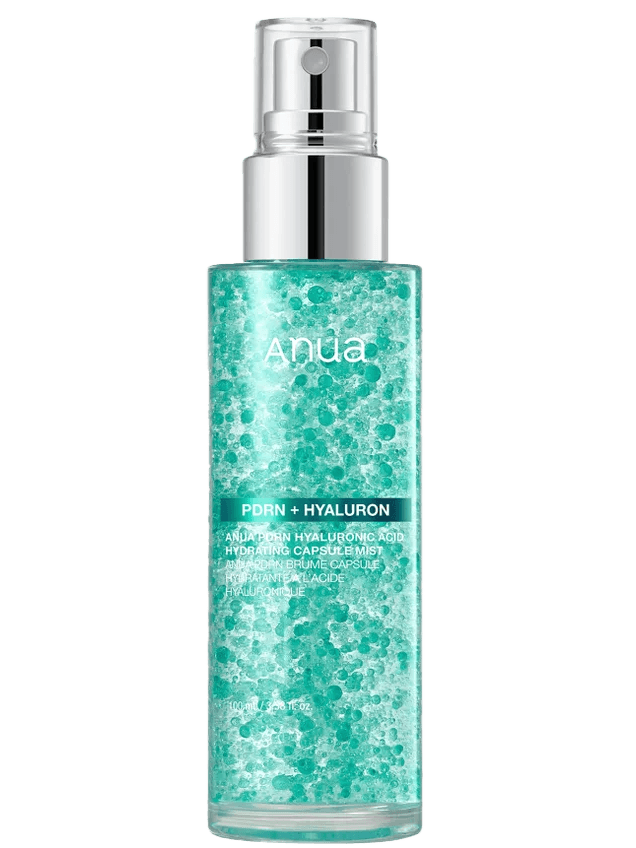
Anua
PDRN Hyaluronic Acid Hydrating Capsule Mist
Why it’s Vogue-approved: This is not an ordinary mist; this is a treatment mist, designed to do more than just give temporary hydration. Recommended by dermatological doctor Dr Nora Jaafar, the Korean beauty brand Anua incorporates buzzy ingredient PDRN into its formula, selected for its repairing properties. There is also hyaluronic acid and collagen to enrich the complexion with moisture and boost radiance. According to clinical trials, it has been proven to reduce skin temperature by nearly 3.5°C, and while I’ve not yet got my thermometer to test, it certainly feels cooling.
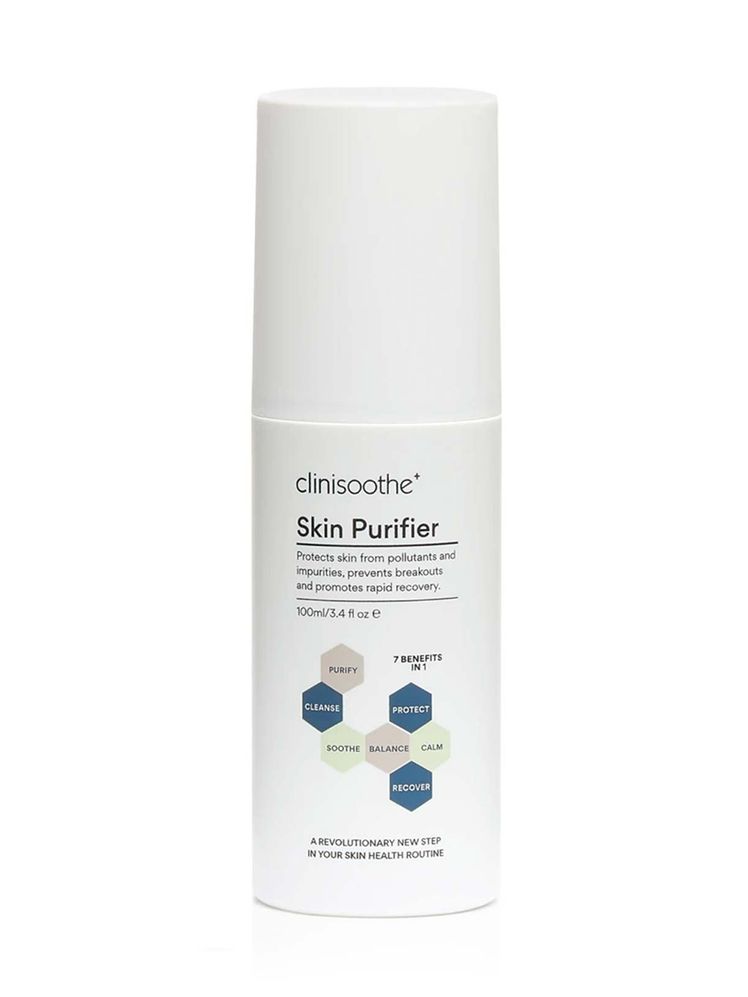
Clinisoothe Skin Purifier
Why it’s Vogue-approved: “This is my non-negotiable,” skin expert and facialist Libi Roos tells me, who is a fan of this hypochlorous mist to help shield the skin as an antibacterial, antimicrobial solution against the likes of pollution. “Mist your face and body if you’re prone to chest or back breakouts,” she adds before concluding, “Nothing else quite does what this does.”
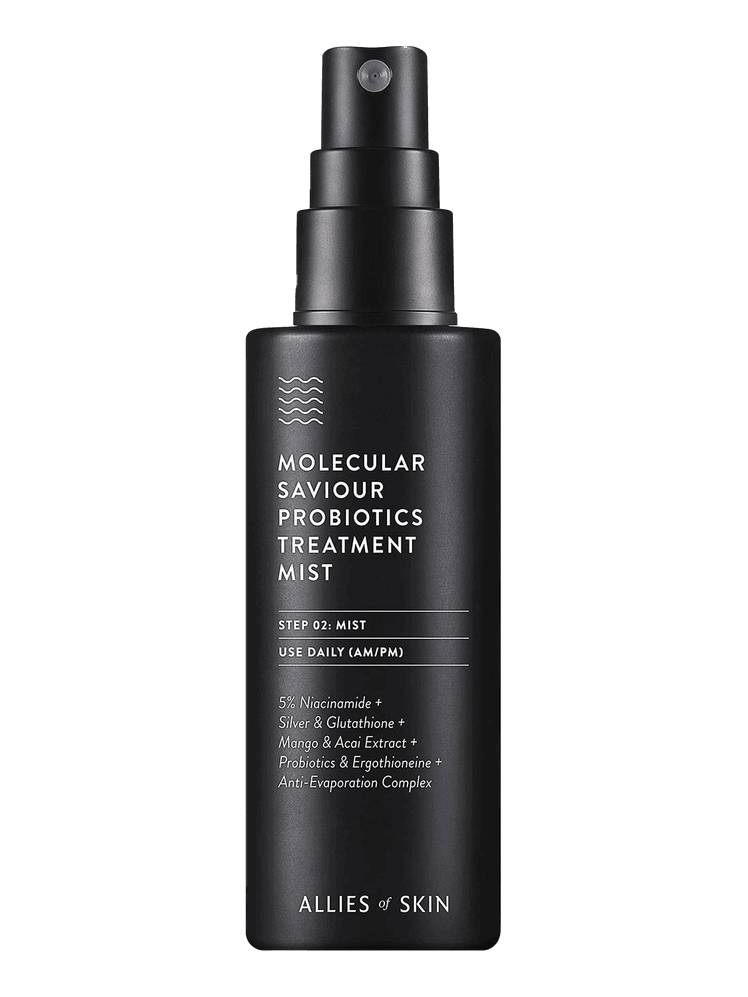
Allies Of Skin
Molecular Saviour Probiotics Treatment Mist
Why it’s Vogue-approved: Packing enough hard-working ingredients to rival a serum, the Molecular Saviour Probiotics Treatment Mist is not only a stalwart on my desk but in my wash bag for its advanced hydrating properties. The formula includes buzzy ingredients like niacinamide to balance and soothe, as well as probiotics and silk amino acids to provide nourishment. The mist provides a brightening effect too.
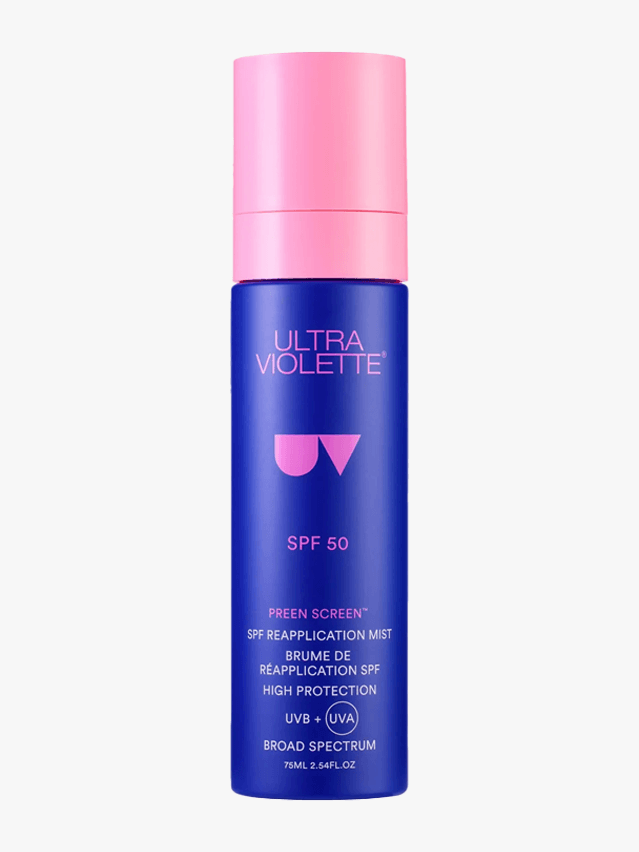
Ultra Violette
Preen Screen SPF50 Mist Skinscreen
Why it’s Vogue-approved: Working double duty, this formula from game-changing SPF brand Ultra Violette is both a refreshing mist and sun protection, boasting a high SPF50. While topping you up on your sun-shielding, it is also enriching the skin with nourishing vitamin E and oil-balancing niacinamide.
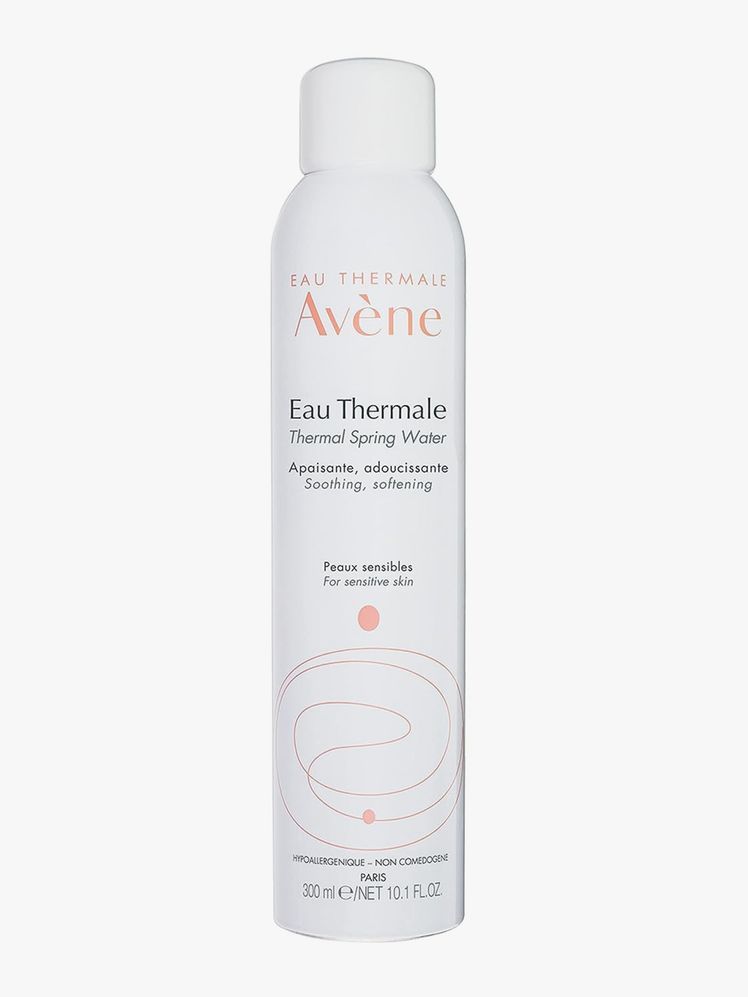
Avène
Thermal Spring Water
Why it’s Vogue-approved: Dermatological doctor Dr Nora Jaafar says that for sensitive skin types, Avène’s Thermal Spring Water will be well tolerated. The French pharmacy label specialises in soothing, kind to complexion formulas that should not irritate, even for those with the most sensitive and sensitised skin. The product harnesses the power of the brand’s signature thermal spring water to refresh the complexion, imparting moisture to calm and hydrate.
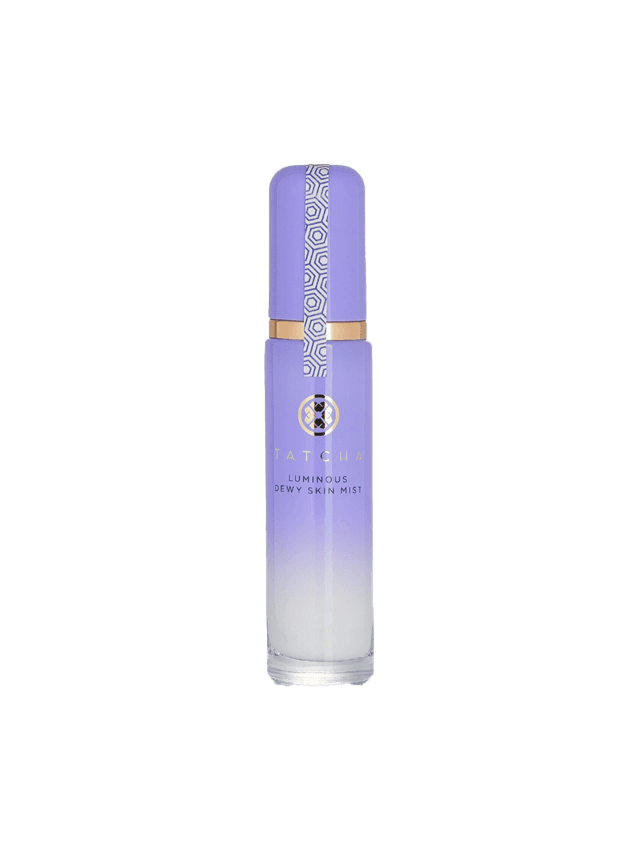
Tatcha
Luminous Dewy Skin Mist
Why it’s Vogue-approved: For a mist that you can layer over make-up without clogging pores, dermatological doctor Dr Nora Jaafar says Tatcha’s Luminous Dewy Skin Mist is her personal favourite. “It contains humectants like glycerin and hyaluronic acid alongside emollients like squalane, so it hydrates while giving that dewy finish without disrupting make-up,” she explains.
FAQs
Are mists useful for all skin types?
According to both experts, face mists can be used by all skin types, however, Dr Jaafar stresses that “formulation is everything.” She extrapolates, “Dry or dehydrated skin benefits from richer or slightly milky mists. Oily or acne-prone skin does better with lightweight, non-occlusive formulas. Sensitive skin needs to be more cautious, I tend to steer these patients towards very simple, soothing formulas.”
What ingredients should I look for and avoid in a face mist?
Dr Lynch highlights “Humectants like hyaluronic acid and ingredients which will repair the skin barrier such as ceramides” as well as “antioxidants such as vitamin C.” Dr Jaafar adds glycerin, panthenol, amino acids and niacinamide to the list too, which “actually support hydration and barrier function.”
As for what to avoid. Both reference alcohol, fragrances and essential oils, which Dr Lynch believes can be “irritants or trigger allergies.”
Is there a difference between cheap and expensive mists?
Generally speaking, across skincare, you can find some genuinely affordable products that are very effective. Dr Jaafar agrees, “Price doesn’t equal performance,” she tells me. “Some luxury mists are essentially fragranced water, while others are genuinely well-formulated. Likewise, you’ll find excellent, affordable options. It always comes back to ingredients, not branding.”
Are milky or oil-infused mists better than water-based ones?
Formulated for difference purposes, milky, oil-infused and water-based mists have their uses. “Milky or oil-infused mists are better for dry skin because they help reduce water loss and support the barrier,” explains Dr Jaafar. “Water-based mists are lighter and good for layering or refreshing, but on their own, they don’t hold hydration for long.”
Can I use a mist over makeup without clogging pores?
“This is actually one of the best use cases for hydrating sprays, as they do not disrupt make-up significantly,” says Dr Lynch. Pay attention to terms like non-comedogenic.
Are there side effects or risks?
“Mainly misuse,” Dr Jaafar reveals. “Overusing very simple water-based mists, especially in dry or air-conditioned environments, can actually worsen dehydration if you don’t seal it with a moisturiser. Fragrance-heavy formulas can also irritate the skin and disrupt the barrier.”
Will a mist help with dehydration on flights or in air conditioning?
“They can provide a temporary improvement,” Dr Lynch details. “However, this is generally short-lived, and it is best to follow with a moisturiser if you have sustained dryness.” Sealing with moisturiser will also ensure that the hydration will lock into the skin.
Do you need a mist with SPF or blue light protection?
For adequate sun protection, it is suggested to apply a quarter of a teaspoon of SPF, which can be challenging from simply a mist. Dr Lynch believes it is not sufficient, stressing “You should use a baseline regular sunscreen.” Dr Jaafar agrees, “they’re too easy to under-apply – think of them as a top-up at best.” She also adds that for blue light, “the evidence for significant skin damage from everyday exposure is limited, so it shouldn’t be a deciding factor when choosing a mist.”
Meet the experts
- Dr Nora Jaafar is a dermatological doctor
- Dr Magnus Lynch is a consultant dermatologist